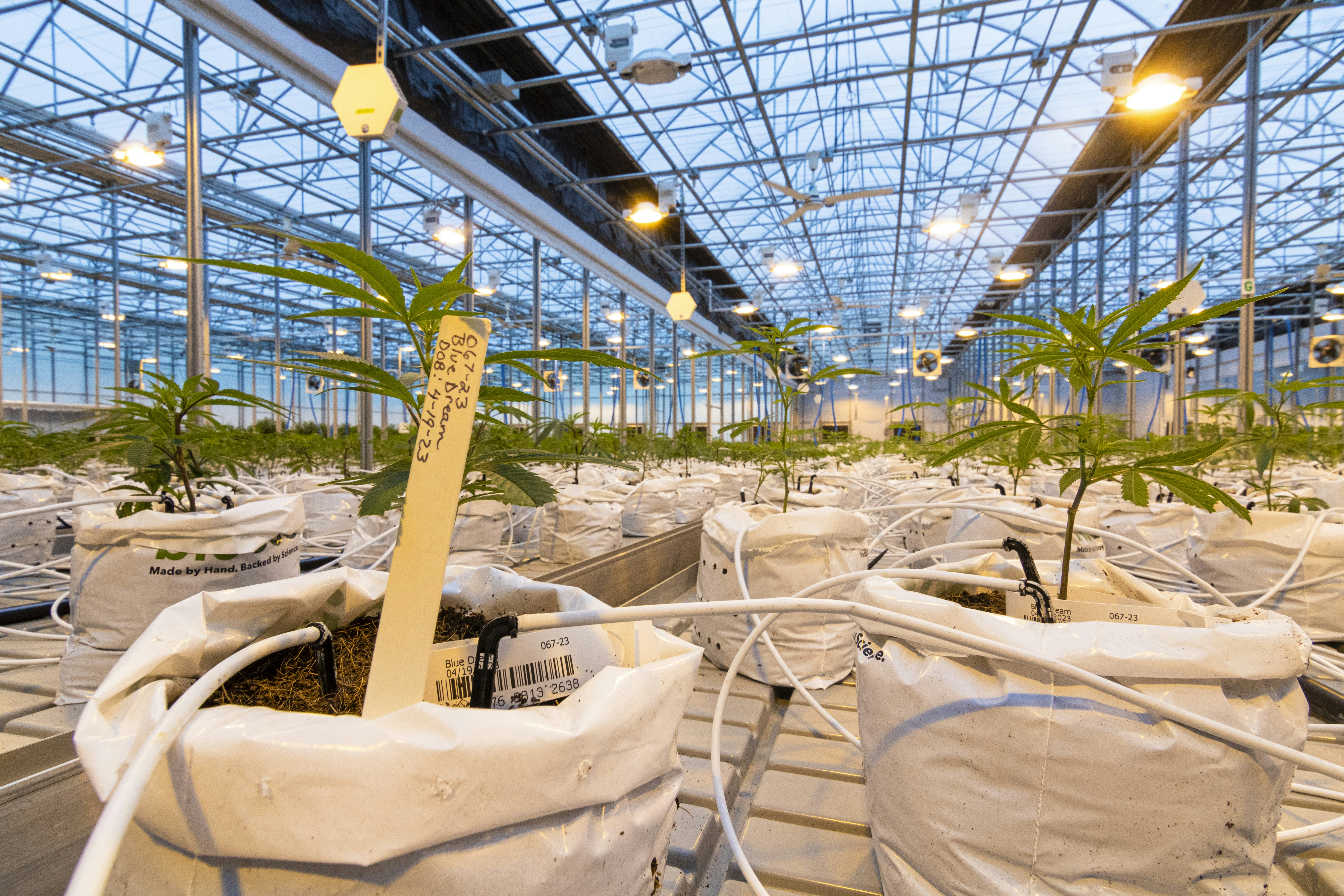
Introduction to Tech in Agriculture
In recent years, the agricultural sector has witnessed a significant transformation fueled by the rapid integration of technology. This shift toward digitalization is particularly evident in the realm of software and mobile applications designed specifically for farmers and growers. Amidst the various challenges that arise in fruit tree cultivation, such as climate variability, sustainability concerns, and evolving market demands, the adoption of these advanced tools has become paramount for effective management practices.
The role of technology in agriculture is not merely a trend; it is a necessity for modern farmers aiming to optimize their operational efficiency and increase productivity. Sophisticated software applications allow growers to closely monitor factors such as soil health, irrigation needs, and growth patterns, which are essential for maximizing yields. Furthermore, these tailored solutions enable fruit farmers to track their activities meticulously, ensuring that they adhere to best management practices essential for sustainability and profitability.
In the UK, the unique challenges faced by fruit tree growers require specialized tools that address localized needs. Variability in climate can significantly impact crop performance, hence the need for real-time data and analytics to make informed decisions. Additionally, the regulatory landscape surrounding agriculture, especially regarding sustainable practices, necessitates an organized approach to compliance and reporting, which digital tools can effectively facilitate.
As the demands for higher quality produce and better resource management continue to evolve, growers are turning to technology not only as a means of enhancing their productivity but also as a way to ensure the long-term viability of their farming operations. By leveraging mobile apps and software tailored to the complexities of fruit tree management, producers can embrace innovation and navigate the future of agriculture with confidence.
Key Features of the Fruit Tree Management App
The innovative software and mobile app designed for managing fruit trees in the UK offers a plethora of features that streamline agricultural practices. One notable aspect is its user-friendly interface, which ensures that both novice and experienced farmers can navigate the application with ease. This accessibility is vital for enhancing engagement among users and enables efficient management of their fruit trees.
Real-time monitoring is another critical feature incorporated within the app, allowing growers to track the health of their trees continuously. By utilizing sensors and data analytics, the application can provide farmers with immediate alerts regarding the condition of their trees, identifying any signs of disease or distress early on. This timely intervention is crucial for preserving the overall health of the orchard and sustaining productivity.
The app also includes sophisticated irrigation scheduling, enabling farmers to optimize water usage based on specific tree requirements and local weather conditions. By taking into account factors such as soil moisture content and tree species sensitivities, the system minimizes water wastage, contributing not only to sustainability but also to cost savings for growers.
Pest and disease management functionalities are integrated to assist farmers in identifying threats to their orchards. Through advanced data analytics, the application offers recommendations for preventative measures and treatment options tailored to regional pest populations in the Europe, thereby enhancing crop protection strategies.
Moreover, soil analysis features provide essential insights into soil nutrition and health, empowering farmers to make informed decisions regarding fertilization and treatment methods. Finally, harvest forecasting tools leverage machine learning algorithms to predict yields accurately, assisting in better planning and market preparations for fruit producers. Each of these features works cohesively to meet the unique challenges faced by fruit growers in the Europe, revolutionizing traditional agricultural practices.
Benefits of Using the App for Growers
The adoption of software and mobile applications tailored for managing fruit trees offers substantial advantages for growers across the Europe. One of the primary benefits is the potential for increased productivity. By utilizing this technology, farmers can streamline their operations, allowing them to manage larger volumes of trees efficiently. This improved efficiency not only leads to higher yields but also allows growers to allocate their time and resources more effectively.
Resource optimization is another critical benefit of leveraging such an application. The app enables precise management of essential resources such as water, nutrients, and labor. By analyzing data collected from the field, growers can make informed decisions regarding irrigation schedules and nutrient applications, minimizing waste. This optimization not only conserves vital resources but also reduces operational costs, making fruit production more sustainable.
In addition to operational efficiencies, the software enhances crop quality. With access to data-driven insights, growers can monitor plant health, pest activity, and environmental conditions in real time. These insights facilitate timely interventions, ensuring that growers can maintain high-quality produce. As a result, fruit produced using the app often meets premium market standards, translating into higher market prices.
Economically, the potential for cost savings and increased profits is significant. With improved productivity and crop quality, growers can enhance their competitiveness within the market. Testimonials from Europe growers or farmers who have transitioned to using the app highlight these economic gains. For instance, a case study involving a grower from Kent revealed that implementing the app led to a 30% reduction in water usage while simultaneously increasing yield by 20%. Such tangible outcomes exemplify how embracing technology can redefine agricultural practices, offering both operational and financial benefits to Europe fruit growers.
Future Trends in Agricultural Technology for Fruit Cultivation
The agricultural landscape is witnessing a significant transformation driven by advanced technologies, particularly in the area of fruit cultivation. As farmers navigate the challenges posed by climate change, labor shortages, and increased demand for sustainable practices, several trends are emerging that seem poised to revolutionize the way fruit trees are managed across the Europe.
One of the most significant developments is the integration of artificial intelligence (AI) and machine learning in agricultural applications. These technologies have the potential to enhance decision-making processes by analyzing vast amounts of data from various sources. For instance, predictive analytics can inform farmers about the optimal time for planting, watering, and harvesting, ultimately boosting productivity and yield. As AI continues to evolve, its capabilities in precision agriculture are expected to expand, providing tailored recommendations specific to the needs of individual growers.
Remote sensing technologies also play a crucial role in the future of fruit cultivation. Utilizing drones and satellite imagery allows for real-time monitoring of crop health, soil conditions, and pest populations. This information empowers farmers to make informed decisions while minimizing resources and reducing waste. As these technologies become more accessible, farmers across the Europe are likely to adopt them to enhance their cultivation strategies.
The integration of blockchain technology into the agricultural supply chain promises to enhance transparency and traceability. By recording transactions in an immutable format, blockchain can ensure that consumers have access to information regarding the origin and handling of their fruit. This information can lead to greater consumer trust and help promote local produce, benefiting both farmers and buyers alike.
Furthermore, upcoming government policies aimed at encouraging sustainable practices in agriculture will likely accelerate the adoption of these technologies. Collaborations between farmers and agritech companies are set to flourish, shaping innovative tools and methods that will ensure the long-term sustainability and profitability of fruit cultivation. As the industry moves forward, a commitment to technological advancement will remain critical for the success of agriculture in the Europe.
Leave a Reply